


Key Takeaways
- Target’s Q2 fiscal 2026 earnings release is scheduled for August 19, with analyst consensus calling for $2.35 earnings per share and $26.15 billion in sales
- Shares have surged approximately 55% since the start of the year leading into the announcement
- Recent price target increases include Telsey to $170 (Buy), Truist to $147 (Hold), and Deutsche Bank to $140 (Hold)
- Consensus analyst target of $146.44 suggests potential 5% decline from present valuation
- Top-rated analyst Seth Sigman from Barclays maintains a Sell stance with $115 target, indicating possible 25% drop
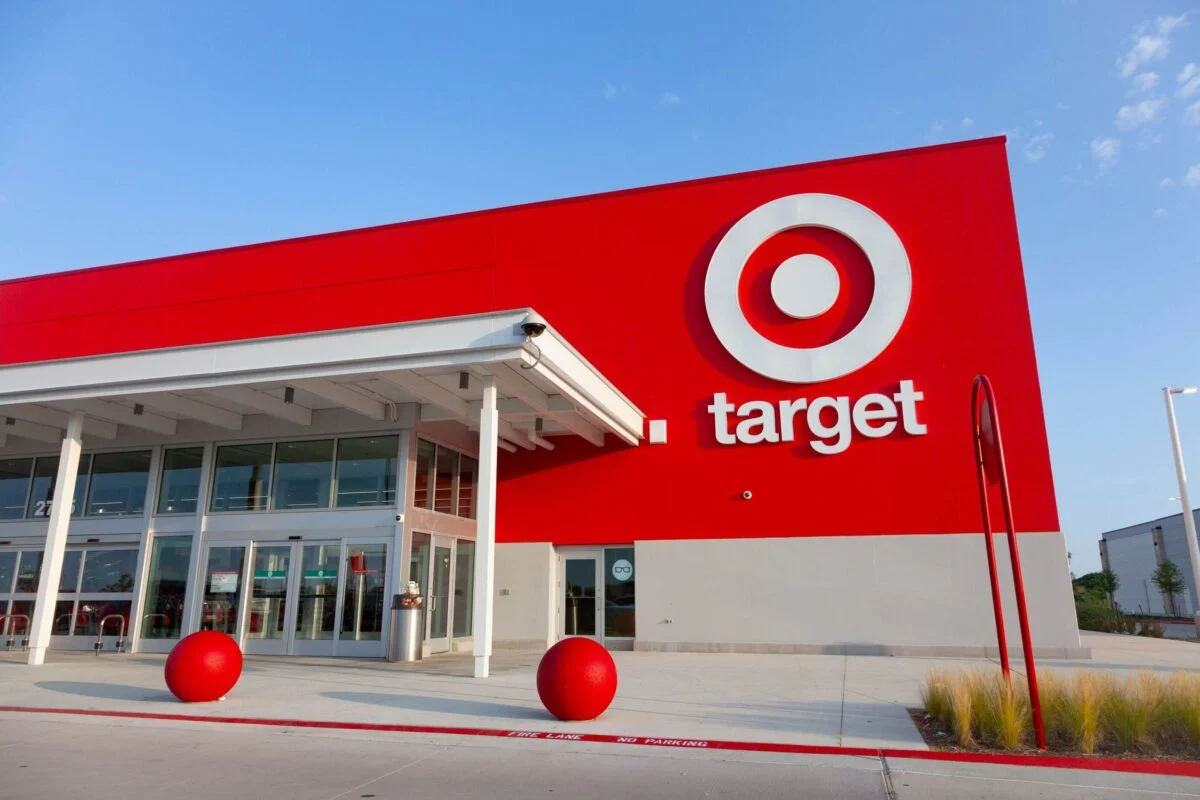
Target Corp. prepares to unveil its fiscal second-quarter 2026 financial performance on August 19, drawing significant attention from market participants. Currently hovering near $154 per share following an impressive 55% climb year-to-date, the retail giant faces elevated expectations heading into the release.
The Street’s consensus calls for earnings of $2.35 per share, representing a 13% increase compared to the corresponding quarter last year. Total revenue projections stand at $26.15 billion, marking a year-over-year expansion exceeding 3%.
Several Wall Street firms have adjusted their outlook on the Minneapolis-based retailer recently, with three analysts elevating their price objectives while maintaining existing recommendation levels.
Joe Feldman from Telsey Advisory Group leads the optimistic camp, advancing his valuation to $170 from $150 while preserving a Buy recommendation. This projection indicates approximately 10% appreciation potential from present trading levels. Feldman anticipates Target’s ability to recapture market share as leadership executes its strategic transformation, though he acknowledges the path forward may encounter obstacles.

Scot Ciccarelli at Truist Securities elevated his forecast to $147 from $130 while retaining a Hold stance. His assessment incorporates proprietary credit card transaction data indicating comparable-store sales growth could reach approximately 2.5% or potentially exceed that threshold. Ciccarelli observed that consumer expenditure patterns have demonstrated resilience despite macroeconomic headwinds.
Krisztina Katai from Deutsche Bank adjusted her target upward to $140 from $126, also maintaining a Hold rating. Her perspective suggests investor sentiment has already incorporated considerable optimism, amplifying the importance of strong operational performance.
Looking Beyond the Immediate Results
Katai emphasizes a critical observation: market participants will probably shift attention beyond second-quarter metrics to assess whether Target can maintain momentum throughout fiscal 2027. The central question transcends simply exceeding current quarter expectations—it’s whether operational enhancements and merchandising strategies prove durable.
Deutsche Bank’s analysis suggests the recovery narrative has largely been incorporated into current share pricing. This reality intensifies the requirement for management to demonstrate evidence of sustainable progress rather than temporary quarterly outperformance.
The retailer announced Chandhu Nair’s appointment as its inaugural chief AI officer this week. CEO Michael Fiddelke, who assumed leadership in February, faces pressure to convince stakeholders that the company’s transformation initiatives remain firmly on course.
The Skeptical Perspective
The recent share price appreciation hasn’t won over all observers. Seth Sigman from Barclays maintains a Sell recommendation with a $115 price objective, suggesting approximately 25% downside risk from current valuation. Sigman holds the distinction of being the most precise analyst following TGT stock over both three-month and twelve-month periods, achieving a 70% accuracy rate.
Wall Street sentiment remains divided: recent three-month coverage includes 12 Buy ratings, 15 Hold recommendations, and 2 Sell calls. The $146.44 average price target falls beneath the stock’s current trading range.
Target will announce results prior to the opening bell on August 19.
Get 3 Free Stock Ebooks
Discover top-performing stocks in AI, Crypto, and Technology with expert analysis.
- Top 10 AI Stocks - Leading AI companies
- Top 10 Crypto Stocks - Blockchain leaders
- Top 10 Tech Stocks - Tech giants


