


Key Points
- Two organizations submitted formal comment letters requesting the SEC modify its crypto asset regulatory framework.
- Bitwise seeks an objective methodology for determining security status using accessible data sources.
- The Hyperliquid Policy Center requests expanded safe harbor provisions, airdrop clarity, and buyback guidelines.
- A previous enforcement leader and academic expert called for complete abandonment of the regulatory plan.
- Public feedback concluded Tuesday with no announcement regarding the agency’s decision timeline.
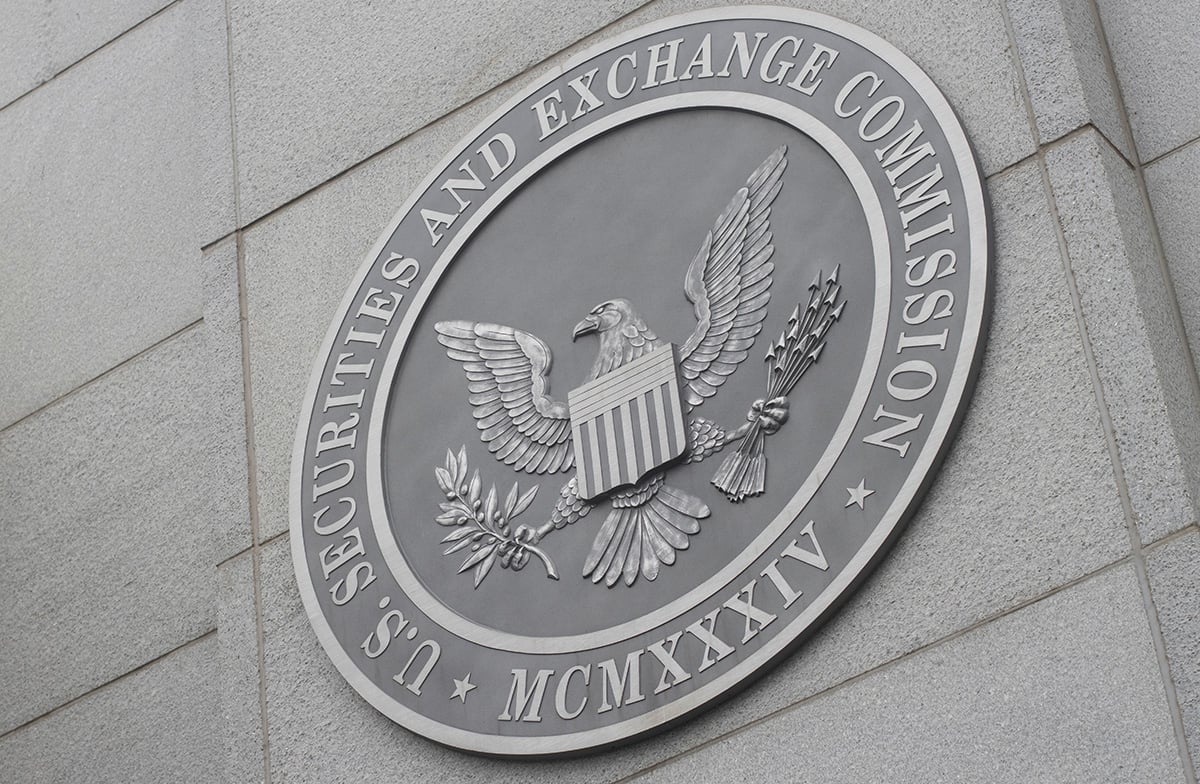
Bitwise Asset Management and the Hyperliquid Policy Center have formally requested the Securities and Exchange Commission adjust its proposed framework for digital assets. The organizations submitted their feedback documents on Monday, Oct. 19.
Their submissions focus on establishing transparent guidelines for asset classification, airdrop treatment, and post-issuance trading parameters.
These documents reached the agency shortly before the public feedback window closed Tuesday for the proposed Regulation Crypto Assets.
The regulatory framework would establish carve-outs for certain digital asset fundraising activities. Additionally, it would introduce a limited safe harbor mechanism for tokens connected to investment contracts.
Organizations Request Enhanced Regulatory Clarity
Bitwise’s submission emphasizes the need for the commission to outline how fund managers should determine whether a digital asset qualifies as a security. The organization stressed that managers require an objective framework applicable through “publicly available information.”
The asset manager also requested additional detail regarding Form TR, a proposed disclosure document. Issuers would submit this form to declare that an investment contract arrangement has ended.

Bitwise wants clarity on when portfolio managers can depend on these filings. The firm additionally questioned how managers should evaluate assets when no such form exists.
In its own submission, the Hyperliquid Policy Center urged the commission to expand the proposed safe harbor framework. The organization argued the protection mechanism might activate too late in a protocol’s lifecycle.
The group advocated for explicit safeguards covering airdrops that compensate network participants for engagement. It further requested direction on repurchase programs.
Hyperliquid stated the framework “fails to provide clarity” regarding two critical issues: whether unregistered facilitators may assist with token transactions and whether assets can circulate without restriction through blockchain-based protocols.
The organization pressed the agency to directly confront secondary market activity. It warned that trading platforms and decentralized venues should not operate under ambiguous regulatory conditions.
Opponents Demand Complete Rejection
Some observers prefer outright rejection rather than modification. John Reed Stark, a former enforcement official at the commission, and Lee Reiners, a finance professor at Duke University, urged the agency to abandon the framework completely.
Their Oct. 16 submission contended the plan exceeds the commission’s statutory mandate and would diminish safeguards for capital providers.
Stark and Reiners maintained that existing securities legislation and the Supreme Court’s Howey precedent already establish sufficient structure for overseeing digital asset offerings.
They contended the fundraising carve-outs would erode investor protections. They further asserted the safe harbor would permit token issuers to escape securities regulation through self-certification.
The authors cautioned that implementing the rules in substantially their present configuration would trigger swift legal opposition. Such challenges could result in judicial invalidation of the entire framework.
Following the conclusion of the public comment window, the commission will examine the received materials. It will subsequently determine whether to modify, implement, or retract the proposed framework.
The agency has not revealed a schedule for reaching a final determination. Any completed rule would require approval by commission vote before becoming operative.
Get 3 Free Stock Ebooks
Discover top-performing stocks in AI, Crypto, and Technology with expert analysis.
- Top 10 AI Stocks - Leading AI companies
- Top 10 Crypto Stocks - Blockchain leaders
- Top 10 Tech Stocks - Tech giants


