


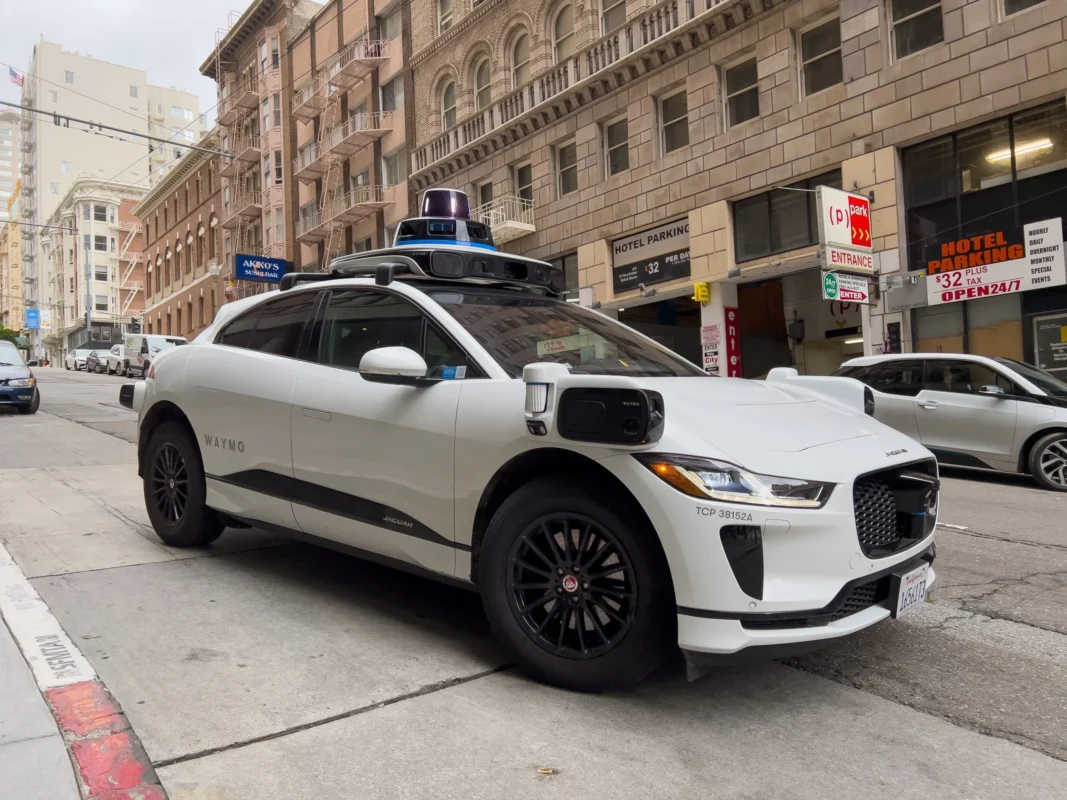
Key Highlights
- Waymo published comprehensive safety statistics encompassing 270 million miles of fully autonomous operation extending through June 2026.
- Analysis includes operations across five major metropolitan areas: Atlanta, Austin, Los Angeles, Phoenix, and San Francisco.
- Results indicate autonomous vehicles experienced 82% fewer injury-producing collisions compared to human-operated vehicles traveling equivalent distances.
- Severe and fatal crashes decreased by 95% in Waymo’s autonomous fleet.
- Independent safety organization IIHS commended Waymo’s transparency in sharing detailed crash statistics.
The autonomous vehicle company Waymo has released comprehensive safety statistics documenting its ride-hailing operations. These figures represent 270 million miles of completely driverless operation completed by June 2026.
According to Waymo, this mileage represents driving equivalent to over 300 complete human lifetimes behind the wheel. Operations analyzed span five major urban markets: Atlanta, Austin, Los Angeles, Phoenix, and San Francisco.
Key Findings from the Analysis
The autonomous vehicle operator benchmarked its collision statistics against human driver performance in identical geographic areas. Results show Waymo’s fleet recorded 82% fewer crashes resulting in injuries when compared to traditional drivers.
Additionally, collisions classified as serious or fatal occurred 95% less frequently. This translates to approximately 20 times fewer catastrophic incidents relative to human-piloted vehicles.
According to Waymo’s calculations, its technology prevented an estimated 841 injury-causing collisions that would have likely occurred with human operators. The company provided detailed breakdowns by vulnerable road user categories.
Collisions with pedestrians decreased by 93% versus human driver baselines. Incidents involving bicyclists fell by 86%. Crashes with motorcyclists dropped 82%.

Airbag activations across all incident types similarly declined by 82%. Individual cities demonstrated varying performance levels.
In Atlanta, airbag deployment incidents decreased by 8% compared to human driver statistics. San Francisco recorded a 10% reduction in injury-causing collisions.
Methodology Behind the Statistics
Waymo’s analytical approach involves comparing its collision frequencies to human driver incident rates normalized for identical mileage. This methodology aims to establish equitable per-mile performance comparisons.
Human driver collision statistics originated from state law enforcement records and vehicle miles traveled databases within Waymo’s operating regions. However, the company identified significant discrepancies in reporting requirements.
Autonomous vehicle operators like Waymo face mandatory disclosure requirements for any physical contact resulting in property damage. Traditional drivers don’t face uniformly equivalent reporting obligations.
Federal transportation safety authorities estimate approximately 60% of property damage incidents involving human operators go unreported. Roughly 32% of injury-causing crashes similarly escape official documentation.
This reporting gap suggests human baseline statistics used for comparison may underestimate actual incident rates. Waymo identified standardizing crash classification criteria between autonomous and human datasets as among the most challenging aspects of creating valid comparisons.
The company leveraged existing safety research literature to establish uniform definitions applicable to both datasets. Law enforcement crash databases represent the most dependable available source for human driver incident information, according to Waymo.
Waymo emphasized its safety validation framework remains a work in progress. Demonstrating “absence of unreasonable risk” represents continuous effort rather than a completed milestone, the company stated.
The Insurance Institute for Highway Safety provided commentary on the data release. IIHS chief research officer David Zuby commended Waymo’s decision to publish granular crash statistics and operational mileage publicly.
Zuby indicated such transparency facilitates independent academic investigation. He noted it simultaneously strengthens public confidence in autonomous vehicle technology.
Zuby expressed hope that competing autonomous vehicle developers will follow Waymo’s example by releasing comparable datasets. Waymo has not disclosed timing for subsequent safety report publications.
Get 3 Free Stock Ebooks
Discover top-performing stocks in AI, Crypto, and Technology with expert analysis.
- Top 10 AI Stocks - Leading AI companies
- Top 10 Crypto Stocks - Blockchain leaders
- Top 10 Tech Stocks - Tech giants


