


Key Takeaways
- White House strategists aim to minimize Iran conflict visibility ahead of November 3 midterm elections amid concerns over Republican seat losses
- Overnight operations saw Iran deploy missiles and drones targeting American military installations in Kuwait
- War support stands at just 31% among American voters, with gasoline costs emerging as primary concern
- Critical precision munitions inventories approaching depletion in U.S. military arsenal
- Latest military action pushed petroleum markets upward as Strait of Hormuz closure persists
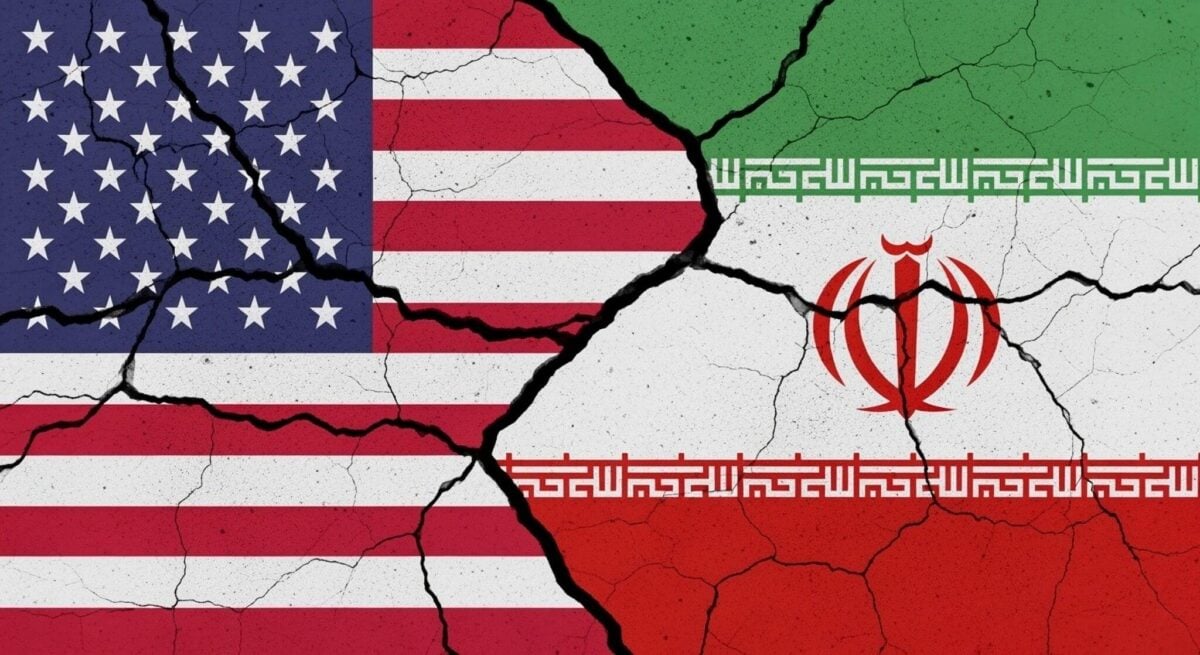
Senior Trump administration officials are working to minimize the U.S.-Iran conflict’s visibility ahead of crucial midterm elections in November, though recent military escalations are complicating this strategy.
Reuters obtained information from four sources with knowledge of internal White House deliberations, three holding official positions within the administration. These individuals confirmed efforts to reduce media attention on the conflict before voters head to polls on November 3. The motivation centers on preventing the deeply unpopular military engagement from becoming the central campaign narrative as Republicans defend narrow congressional majorities.
Public sentiment regarding the conflict remains overwhelmingly negative. A Reuters/Ipsos survey conducted in late August revealed that merely 31% of Americans support the military action, while 63% express opposition. Voter dissatisfaction primarily stems from elevated fuel costs resulting from sustained disruptions to petroleum transportation corridors.
Tehran Launches Counteroffensive
This de-escalation approach faced immediate challenges when Iranian forces conducted coordinated missile and drone operations against American military facilities in Kuwait during early Thursday morning hours. Kuwait’s military confirmed their defensive systems actively engaged “hostile targets” entering their airspace.
According to U.S. military statements, American forces conducted their most recent operations as responses to prior Iranian aggression against U.S. personnel and commercial shipping throughout the region. During the previous weekend, American forces targeted Iranian rocket launch systems positioned on Larak Island. Tehran responded by directing missile fire toward Jordanian and Emirati territory.
Through his Truth Social platform, Trump issued warnings stating that any Iranian retaliation “will be hit again at a much harder and higher level.”

The conflict has now extended beyond six months, significantly exceeding Trump’s original four-to-six-week projection.
Weapons Stockpiles Face Critical Shortages
A temporary cessation of hostilities would provide crucial resupply opportunities for American forces. Reuters reporting from August indicated U.S. forces had depleted “virtually all” reserves of specific precision-guided munitions.
The Washington Post disclosed that service chiefs from the Army, Navy, and Air Force submitted written warnings to Defense Secretary Pete Hegseth indicating continued military operations at current intensity levels were untenable.
Pentagon spokespersons have disputed these concerns, maintaining that armed forces possess “everything it needs to execute” assigned objectives.
Sanctions Replace Military Options
Facing operational constraints, administration officials have pivoted toward economic warfare tactics. Washington has issued threats of comprehensive sanctions against any nation conducting commerce with Iran, while maintaining naval enforcement operations blocking the Strait of Hormuz.
However, this diplomatic approach faces significant obstacles. Beijing has explicitly rejected participation in Washington’s Iranian isolation efforts, undermining the potential effectiveness of punitive economic measures.
Treasury Secretary Scott Bessent expressed concerns that aggressive economic pressure might paradoxically provoke increased Iranian military aggression.
The Strait of Hormuz, previously responsible for transporting approximately one-fifth of global petroleum supplies, continues operating at drastically reduced capacity. Current shipping traffic through the strategic waterway remains a small percentage of pre-conflict volumes.
Oil prices registered gains in early Thursday trading following reports of the latest military exchanges.
Get 3 Free Stock Ebooks
Discover top-performing stocks in AI, Crypto, and Technology with expert analysis.
- Top 10 AI Stocks - Leading AI companies
- Top 10 Crypto Stocks - Blockchain leaders
- Top 10 Tech Stocks - Tech giants


