


Key Takeaways
- Michael Burry believes the Trump administration has no choice but to sustain the AI sector’s momentum.
- The famed investor contends AI infrastructure spending is currently the primary economic support mechanism.
- President Trump has publicly stated he won’t restrict AI advancement regardless of potential dangers.
- Burry maintains short positions in Nvidia, Oracle, Palantir, Micron, CoreWeave, and Nebius.
- Recent financial filings reveal Trump executed significant trades in tech giants like Microsoft and Amazon.
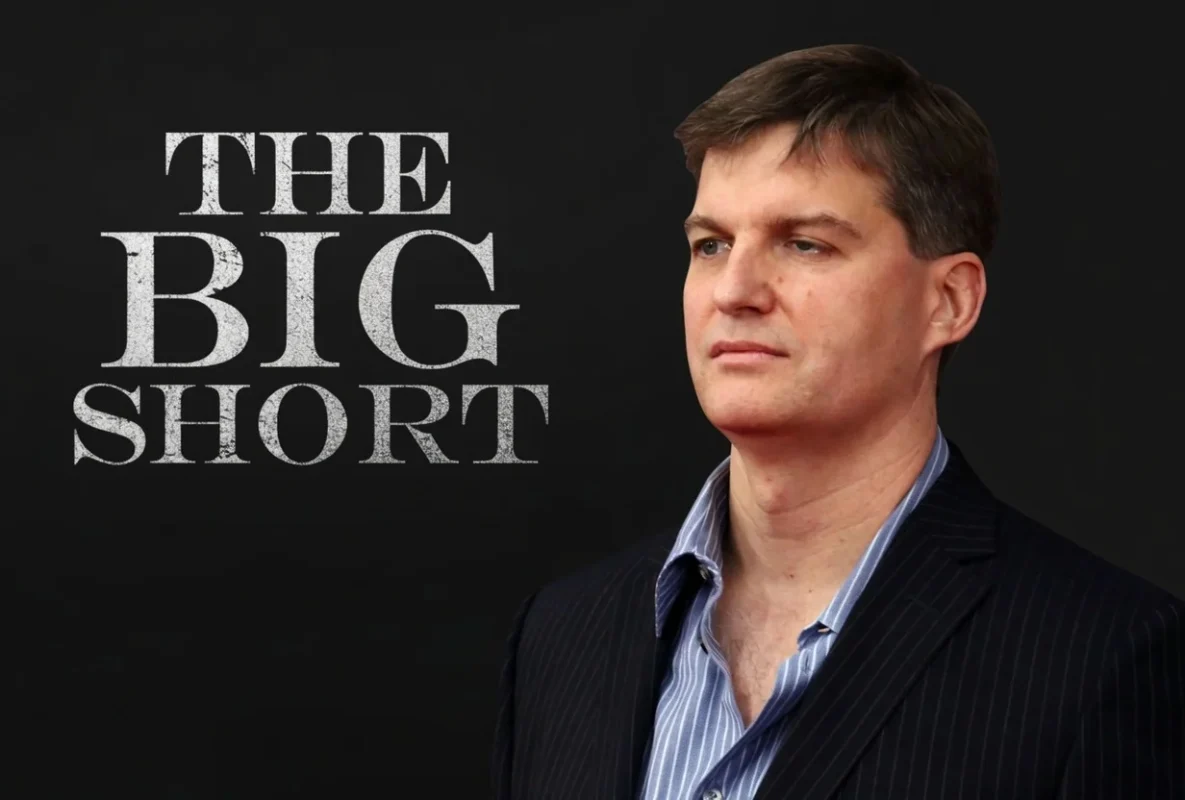
Michael Burry, the legendary investor who famously forecasted the 2008 financial crisis, has declared that the AI boom has grown too integral to the American economy for authorities to permit its collapse. His assessment appeared in a recent Substack publication.
According to Burry, the Trump administration views AI infrastructure development as the primary economic stabilizer at present. This perspective, he suggests, severely constrains the government’s ability to allow any deceleration in AI-related investments.
“They cannot afford to let it fall,” Burry stated, as reported by Stocktwits. He further challenged what practical measures Washington might deploy to prevent a potential economic decline should one materialize.
Short Positions Against Major AI Players
The investor has established short positions targeting numerous prominent AI-associated corporations. His bearish bets encompass Nvidia, Oracle, Palantir, Micron, CoreWeave, and Nebius.
Burry has been systematically accumulating these bearish positions beginning in the third quarter of 2025. His fundamental thesis suggests that substantial AI infrastructure expenditures may fail to generate consistent long-term profitability.
The investor has repeatedly challenged the prevailing AI investment narrative. While acknowledging the enormous capital flowing into data center construction and semiconductor procurement, he emphasizes that profitable outcomes remain uncertain.
Burry additionally contends that the federal government currently lacks adequate tools to address a significant financial crisis. He argues that policymakers possess fewer intervention mechanisms compared to previous economic emergencies.

Administration’s Stance on AI Advancement
President Trump has publicly committed to unrestricted AI development. His position emphasizes maintaining American technological supremacy over mitigating theoretical hazards.
The president has characterized artificial intelligence as a multi-trillion-dollar opportunity. He has made clear his unwillingness to impose restrictions based on safety considerations.
This approach aligns with Burry’s observation that the administration lacks viable alternatives to continued AI sector support. However, Burry interprets this as economic necessity rather than strategic confidence.
Financial disclosure documents reveal Trump’s substantial activity in technology equities. His latest public filings document transactions executed during July.
These records indicate Trump completed over 1,000 trades throughout that month. The overwhelming majority involved technology sector companies.
Documentation shows he divested between five million and twenty-five million dollars in both Microsoft and Amazon holdings. He subsequently reacquired smaller positions in these same companies.
Additional disclosed transactions included Oracle, Intuit, Marvell, and Salesforce. His trading activity also encompassed Meta Platforms, Nvidia, ServiceNow, Workday, and Adobe.
Burry maintains that government interests are now directly tied to sustaining the AI growth story. Should the sector falter, he contends the wider economy would experience immediate repercussions.
The investor has refrained from predicting a specific timeline for potential slowdown. His commentary emphasizes accumulating systemic risk rather than imminent collapse.
Despite reaching similar conclusions about AI’s current economic importance, Trump and Burry interpret the implications dramatically differently. One sees opportunity requiring protection, while the other identifies vulnerability demanding caution.
Get 3 Free Stock Ebooks
Discover top-performing stocks in AI, Crypto, and Technology with expert analysis.
- Top 10 AI Stocks - Leading AI companies
- Top 10 Crypto Stocks - Blockchain leaders
- Top 10 Tech Stocks - Tech giants


