


TLDRs
- SpaceX deployed its first V3 Starlink satellites despite another Super Heavy booster failure.
- The upper-stage Starship completed key objectives, including a successful atmospheric reentry demonstration.
- Investors remained cautious as reusable booster challenges weighed on SpaceX stock performance.
- Fully reusable Starship remains crucial to lowering Starlink deployment costs and scaling the network.
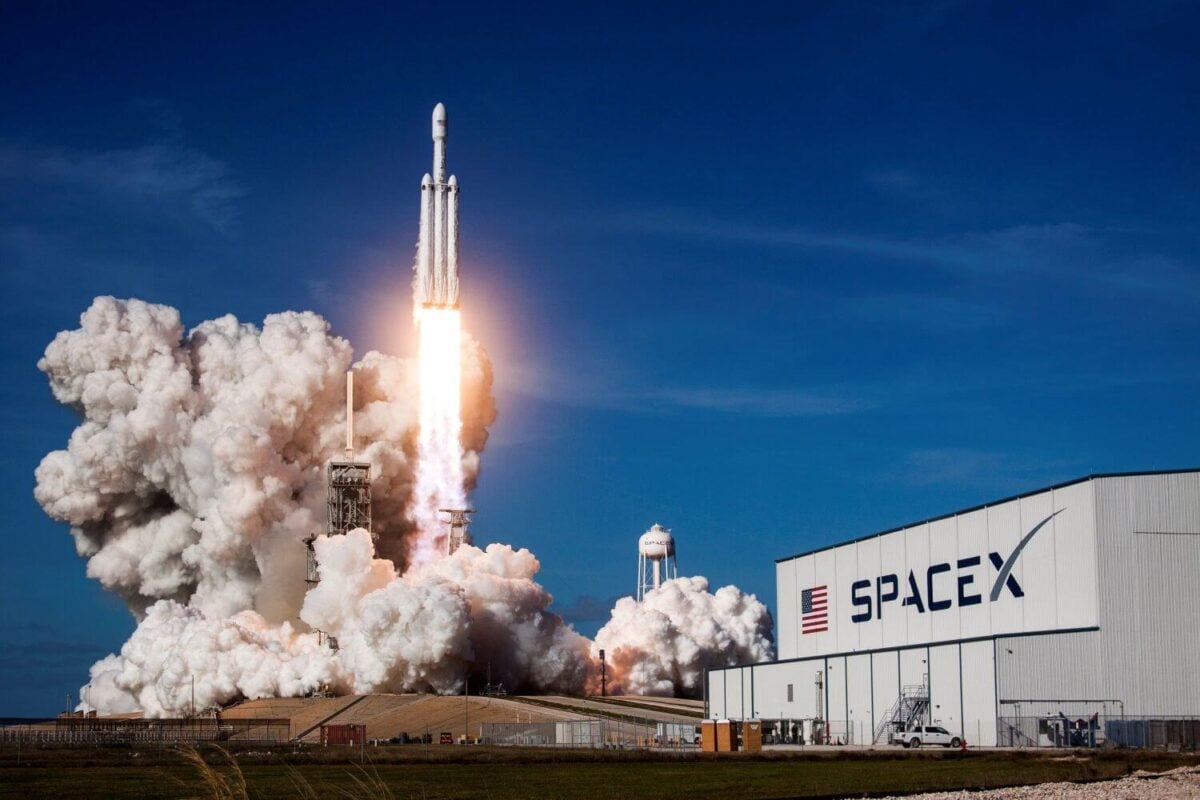
SpaceX (SPACE) stock remained under pressure after the company’s latest Starship test flight delivered both a major technological milestone and another reminder of the engineering hurdles still facing its next-generation launch system.
While the aerospace company successfully deployed its first third-generation (V3) Starlink satellites, a failed Super Heavy booster landing test dampened investor optimism and added fresh concerns over the pace of Starship’s development.
The mixed outcome came during Starship’s 13th integrated flight test, which marked the first mission since SpaceX’s historic public listing in June. Although the mission demonstrated meaningful progress for Starlink and the upper-stage spacecraft, the repeated booster setback overshadowed the achievement and weighed on market sentiment.
Space Exploration Technologies Corp., SPCX
Successful Satellite Deployment
One of the biggest accomplishments of the mission was the successful deployment of SpaceX’s first V3 Starlink satellites using the upgraded Starship platform. The launch demonstrated that the company’s latest-generation spacecraft can carry the more advanced satellites into space, a capability expected to significantly improve the economics of its global satellite internet business.
The Starlink network remains SpaceX’s strongest revenue-generating business, and the introduction of V3 satellites could substantially increase network capacity. According to the company, a fully operational Starship could eventually deploy dozens of these satellites in a single mission, dramatically increasing internet bandwidth compared to launches performed by the Falcon 9 rocket.

Although the satellites eventually reentered Earth’s atmosphere because Starship has not yet achieved orbital capability, SpaceX confirmed that communication was successfully established with all of them during their time in space. That result provides another validation point for the company’s expanding Starlink program.
Booster Failure Returns
Despite the successful payload deployment, the mission was once again marred by problems involving the Super Heavy booster.
After separating from the upper stage, the booster followed its planned descent toward a simulated landing zone in the Gulf of Mexico. However, not all engines reignited as expected during the landing burn, preventing the booster from slowing sufficiently before impact.
The booster ultimately struck the water at higher-than-planned speed and exploded shortly afterward.
The incident marks the second consecutive V3 Starship mission in which the Super Heavy booster has failed to complete its intended recovery sequence. During the previous V3 flight in May, the booster experienced problems shortly after stage separation, highlighting that booster reliability remains one of the largest engineering challenges facing the Starship program.
The latest launch also followed an earlier aborted attempt only days before, when multiple engine issues forced SpaceX to cancel liftoff moments after ignition. Engineers replaced six engines before Friday’s successful launch attempt.
Upper Stage Shows Progress
While the booster attracted most of the attention, the Starship upper stage produced one of its strongest performances to date.
Unlike its previous V3 flight, during which an engine malfunction occurred, the spacecraft completed its powered ascent without significant propulsion issues before releasing the Starlink satellites.
The vehicle also survived atmospheric reentry and executed a controlled splashdown in the Indian Ocean roughly one hour after launch.
One particularly encouraging result came after landing, as the spacecraft remained largely intact while floating in the ocean instead of breaking apart immediately. That allowed SpaceX to deploy drones to inspect the condition of the vehicle’s heat shield tiles, valuable information that could improve future reusable designs.
The successful reentry provides another important milestone as SpaceX continues refining Starship for future missions involving satellite deployment, lunar exploration, and eventually human missions to Mars.
Investor Focus Remains On Reusability
Despite the technological progress, investors continue focusing on one critical question: whether Starship can become fully reusable.
SpaceX has repeatedly emphasized that recovering both the Super Heavy booster and the upper-stage spacecraft is essential to dramatically lowering launch costs. Without consistent booster recovery, the economics behind frequent Starlink deployments become less attractive and expansion of the satellite network could proceed more slowly.
The company’s regulatory filings have also acknowledged that delays in achieving full reusability would increase operating costs and reduce the pace at which Starlink capacity can expand.
That concern appeared to influence investor sentiment following the latest flight. SpaceX shares, which have already retreated significantly from their post-IPO highs, declined further in after-hours trading following news of the booster failure before recovering part of the losses later in the session.
For now, Friday’s mission reinforces both sides of the Starship story. SpaceX continues making meaningful progress toward building a more capable launch system, particularly with the successful deployment of V3 Starlink satellites and improved upper-stage performance. At the same time, recurring booster recovery problems underscore that the path toward a fully reusable spacecraft, and the long-term economics it promises, still requires significant engineering breakthroughs.
Get 3 Free Stock Ebooks
Discover top-performing stocks in AI, Crypto, and Technology with expert analysis.
- Top 10 AI Stocks - Leading AI companies
- Top 10 Crypto Stocks - Blockchain leaders
- Top 10 Tech Stocks - Tech giants


